
SERENGETI NATIONAL PARK
Visit the Serengeti, the best place on Earth to see wildlife
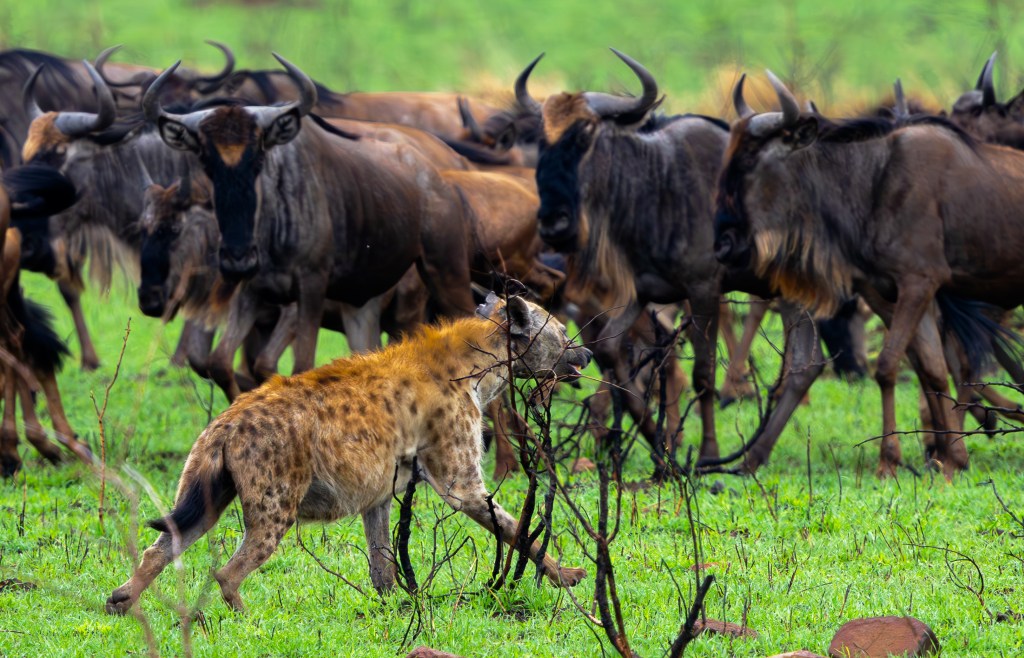
The Serengeti National Park is the only place where you can witness millions of wildebeest migrating over the acacia plains. This alone makes it more than worth visiting, but it is also the cradle of human life, and probably the closest to an untouched African wilderness you will ever find. Here, time seems to stand still, even though thousands of animals are constantly on the move.
The magic of the Serengeti is not easy to describe in words as it is a feast for the senses. Of course, the views are incredible, but so are the sounds as millions of wildebeest on the move make noise. The numbers of wildebeest and zebra are so high that the air vibrates through your entire body. This is something you will try to describe to friends and family before realizing it’s impossible. You can also enjoy vistas of honey-lit plains at sunset so beautiful that it’s worth the trip just for this alone.
The Serengeti is also home to the Maasai people: friendly native people who are happy to meet visitors and tell you about their way of life. Visiting the Serengeti National Park is magical year-round, but it’s particularly special between July and October as this is when the famous river crossings of the Great Migration occur in the Northern Serengeti. As you usually pass it on your way to the Serengeti, you may also want to check out our guide to the Ngorongoro Conservation Area.


THE NEVER-ENDING CYCLE OF THE GREAT MIGRATION
In 1972, the Serengeti National Park was one of the first locations listed as a World Heritage Site. The area had been recognized as a unique ecosystem in the 1950s, showing us how dynamic ecosystems really are and providing us with many insights into how the natural world functions.
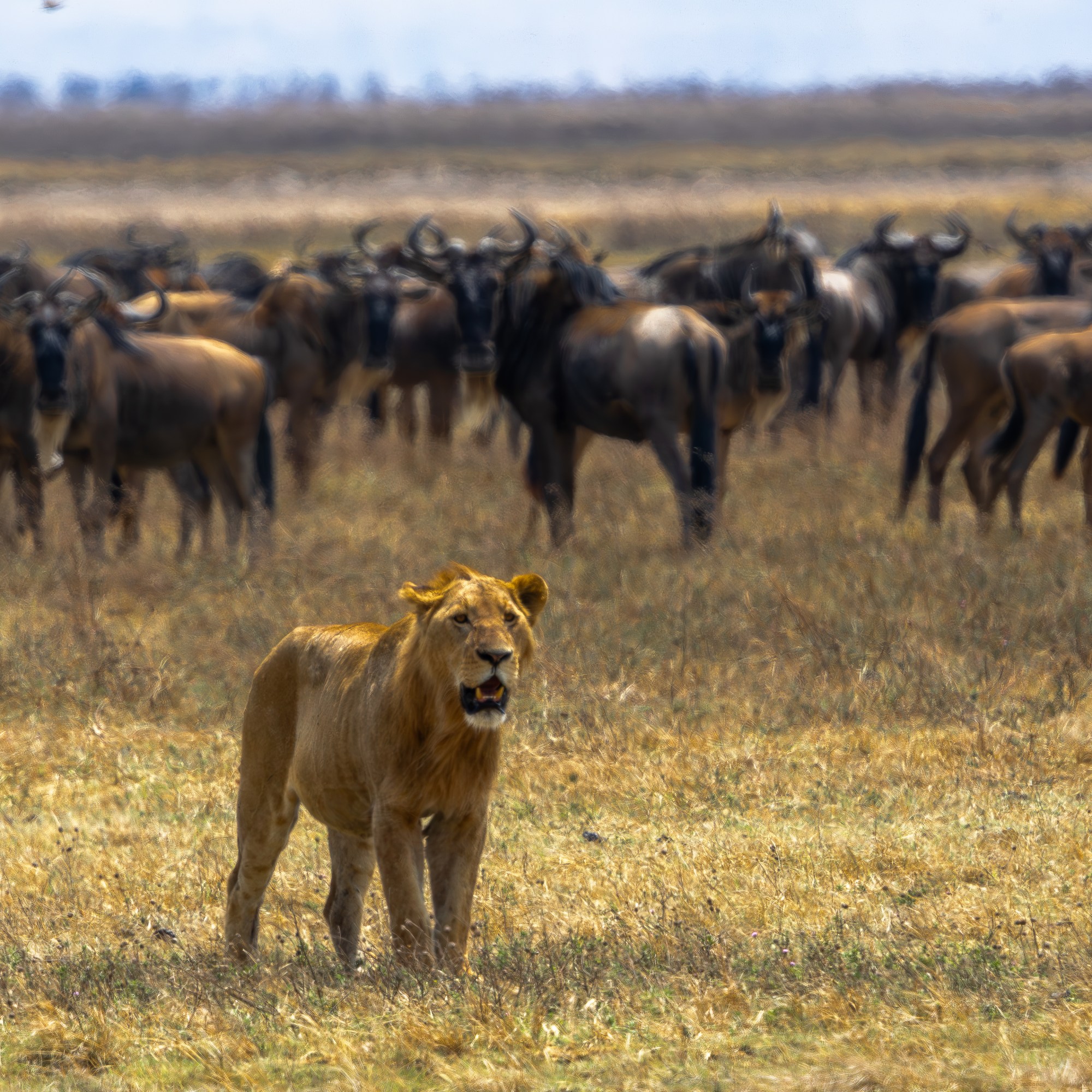
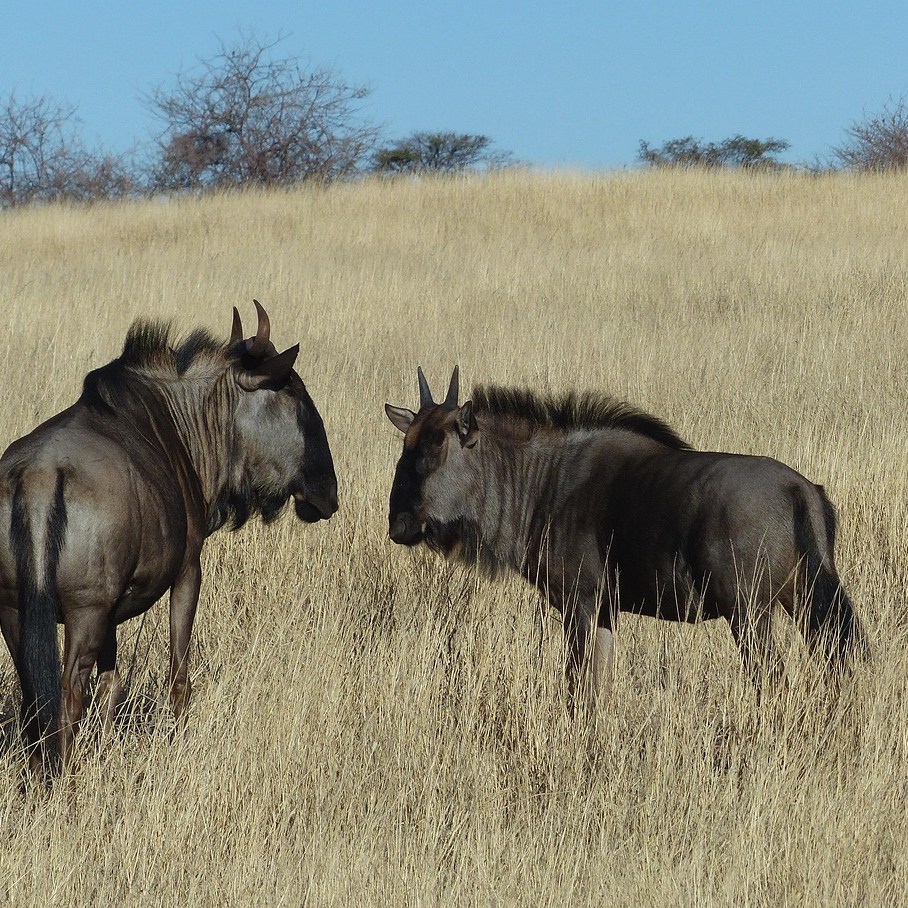
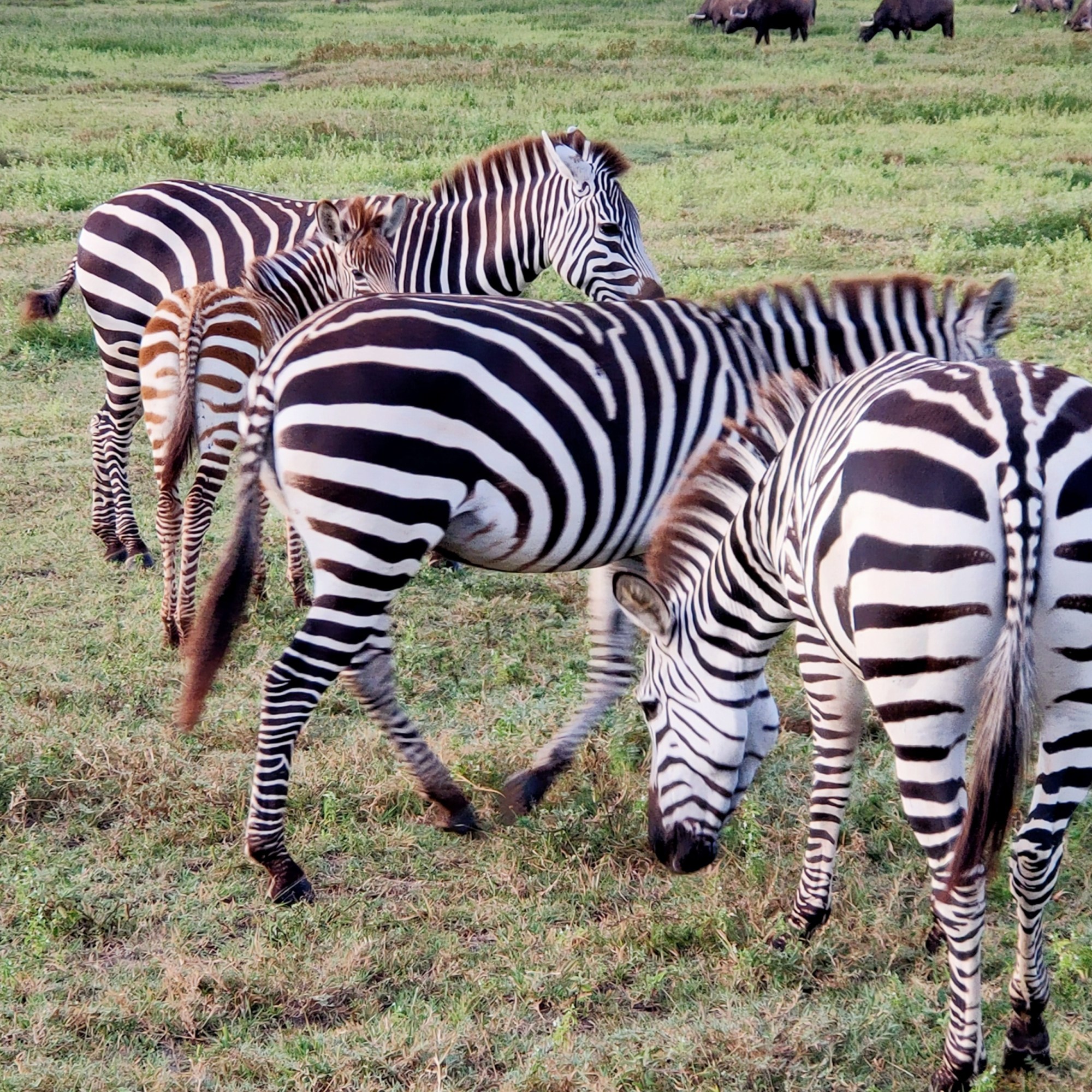
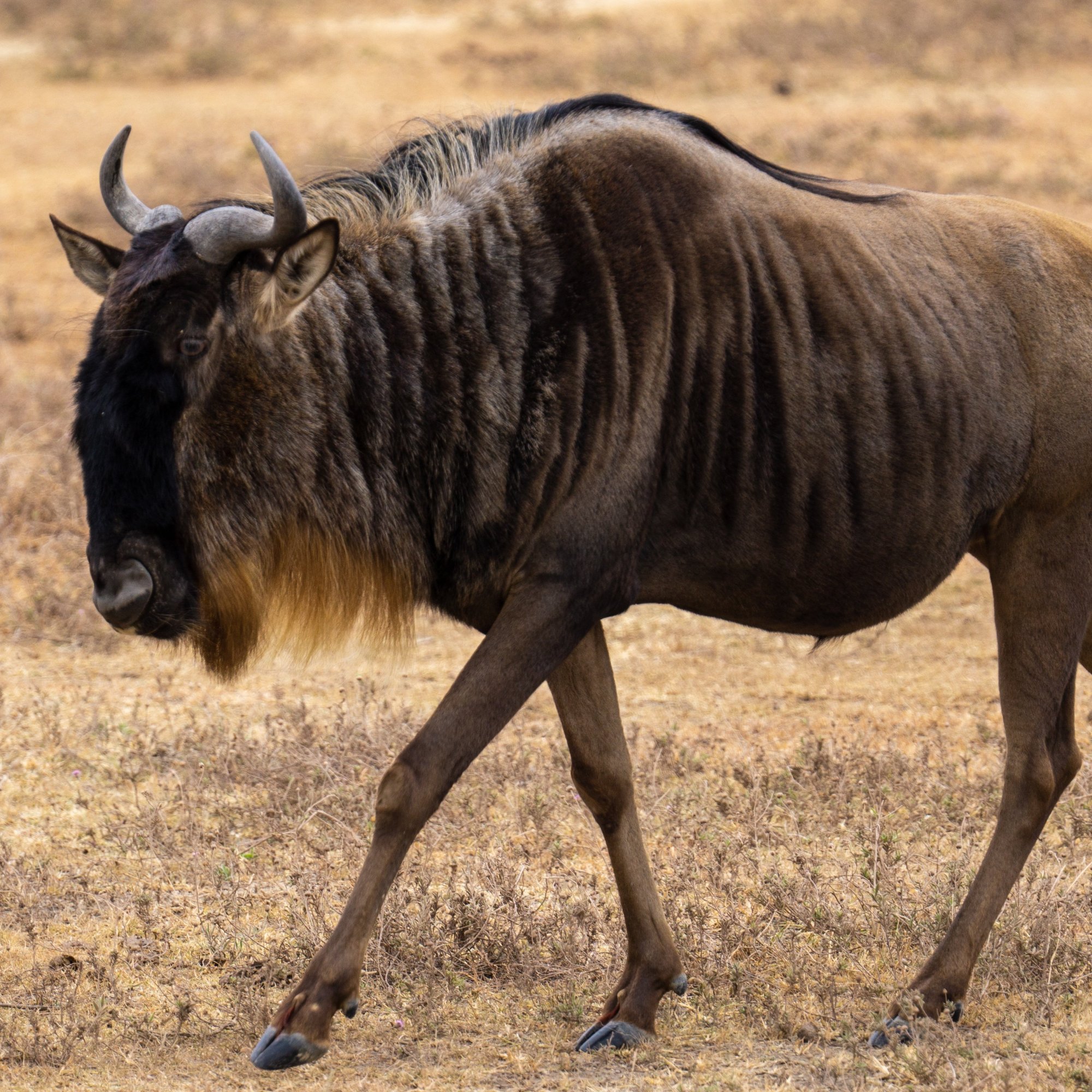
Today, most visitors come to witness The Great Migration – millions of wildebeest, gazelles, elands and zebras on a mass journey to quench their thirst for water and fresh grass. The fact that Serengeti National Park is home to the Great Migration means that, for many, Tanzania is Africa’s top safari destination. During this great cyclical movement, these ungulates move around the ecosystem in a seasonal pattern, defined by rainfall and grass nutrients. These large herds of animals on the move can’t be witnessed anywhere else. The Serengeti is protected, but unfenced, which allows animals the room to make the same return journey they’ve been making for millions of years. Please feel free to read more about the Great Migration.

BEYOND THE GREAT MIGRATION
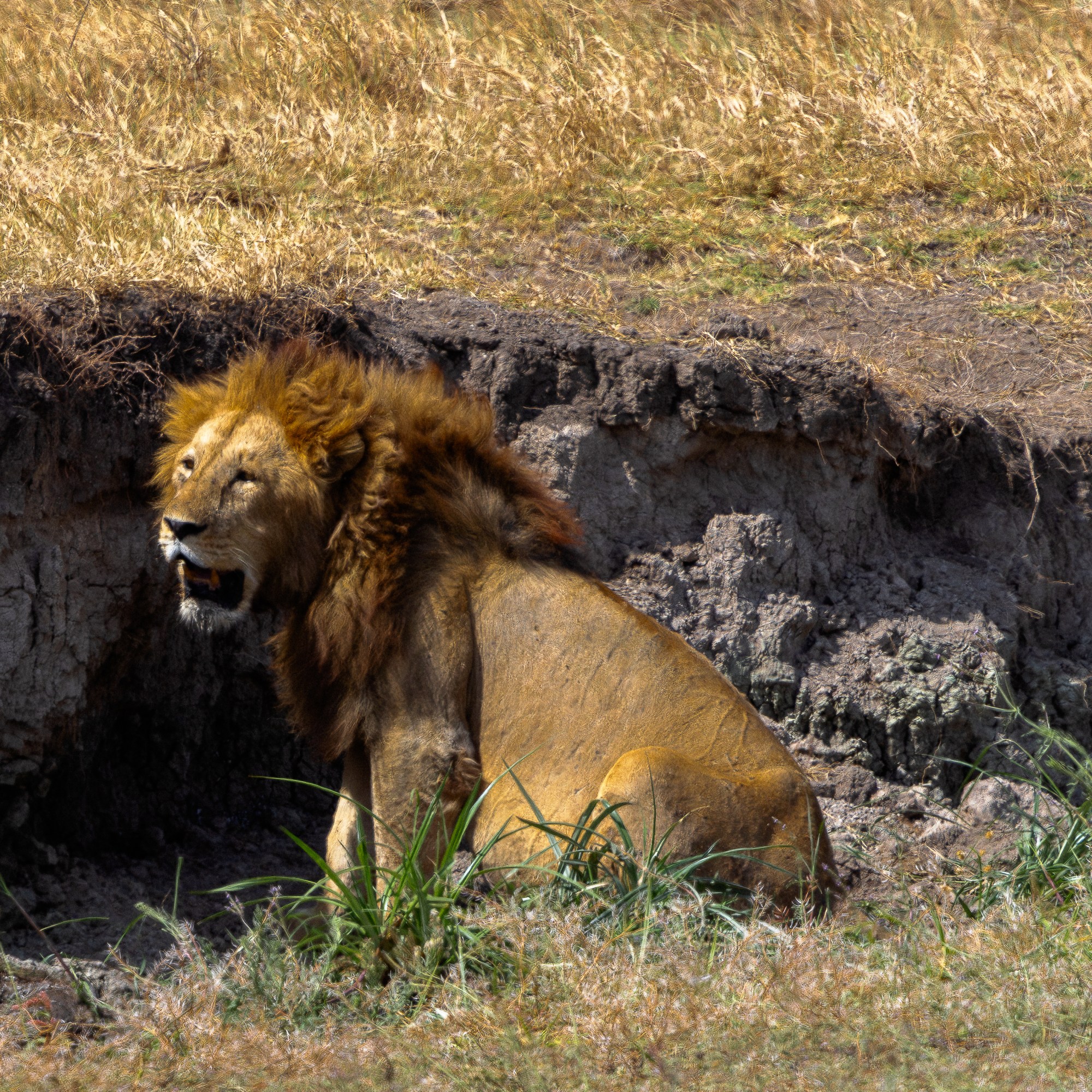
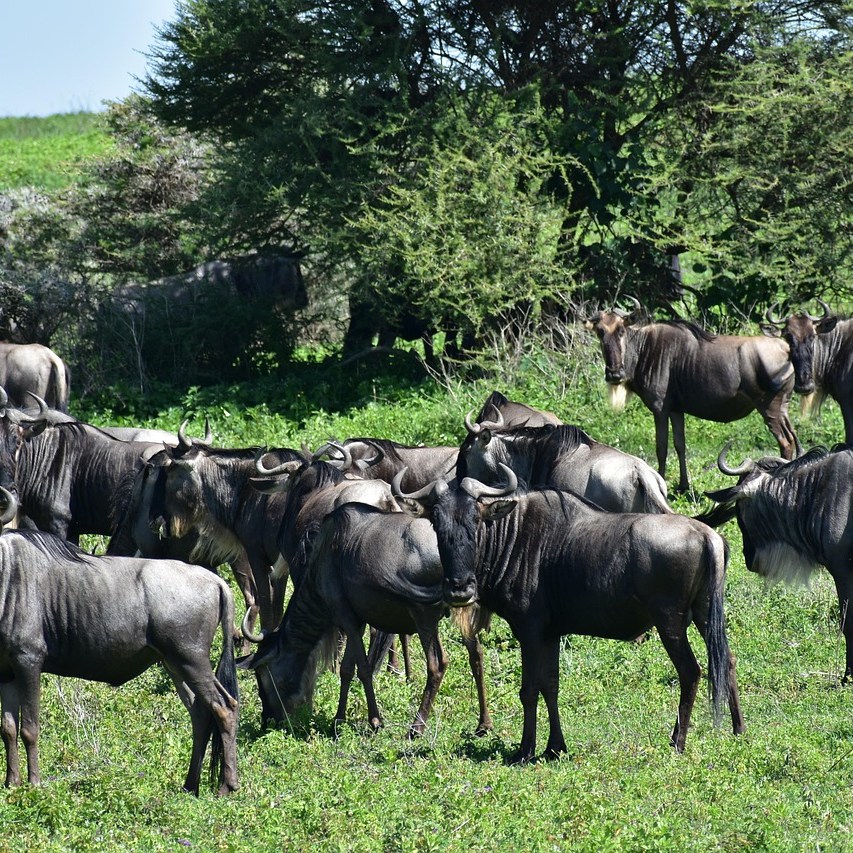
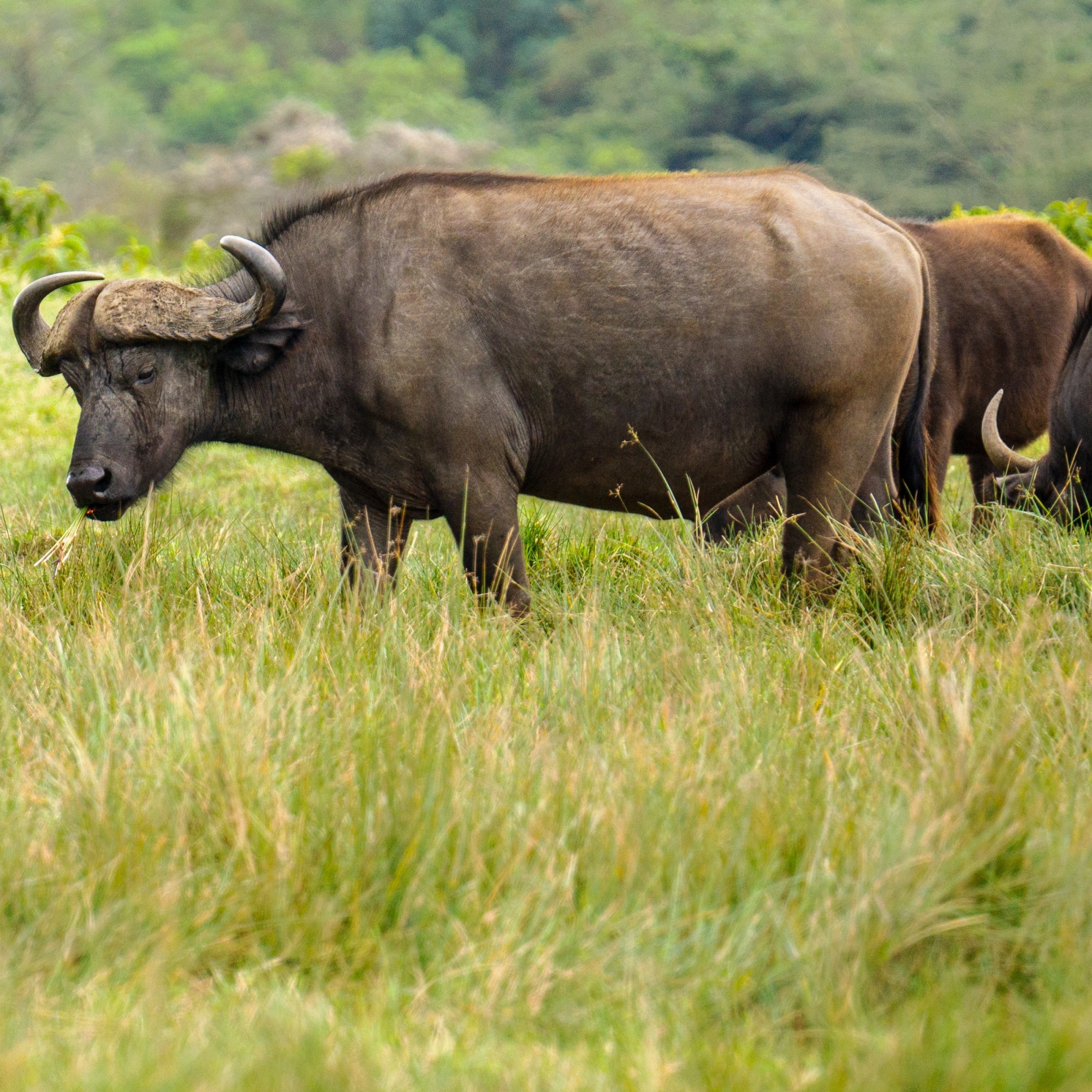
Even though the migration is one of the main reasons to visit Serengeti National Park, it’s worth looking beyond this immense spectacle because nature can’t be directed and having a realistic expectation of your chances to witness a river crossing or a large herd on the move is crucial. For example, a river crossing can sometimes often only last a few minutes and it can be easy to miss, but don’t let this discourage you because there are many other reasons to visit the Serengeti. It’s to see a vast stretch of land where you can drive forever and never get enough. It’s to see incredible skies of dazzling colors. It’s to experience the primal feeling of excitement when a deep dark-grey thunderstorm appears on the horizon. Or you might come to the Serengeti just to see one of the largest concentrations of predators in the world: the herds support about 7,500 hyenas, 3,000 lions and 250 cheetah. And what about the silent gray giants? Elephants in the Serengeti amble over the plains into the woodlands, dining on leaves and tree branches. Read more about wildlife in the Serengeti.

 Mkuyu Safari